Water Damage Cleanup
Standing water pulled from tile, carpet and wood floors and from under baseboards, any hour.
View service (623) 624-9995
Removing the water you can see is half the job. The other half is drying what soaked it up: drywall, baseboards, cabinets, wood and the slab under your floors.
Glendale Leak & Water Damage is a free referral service, not a restoration company. Calls are answered by independent local providers who set their own prices.
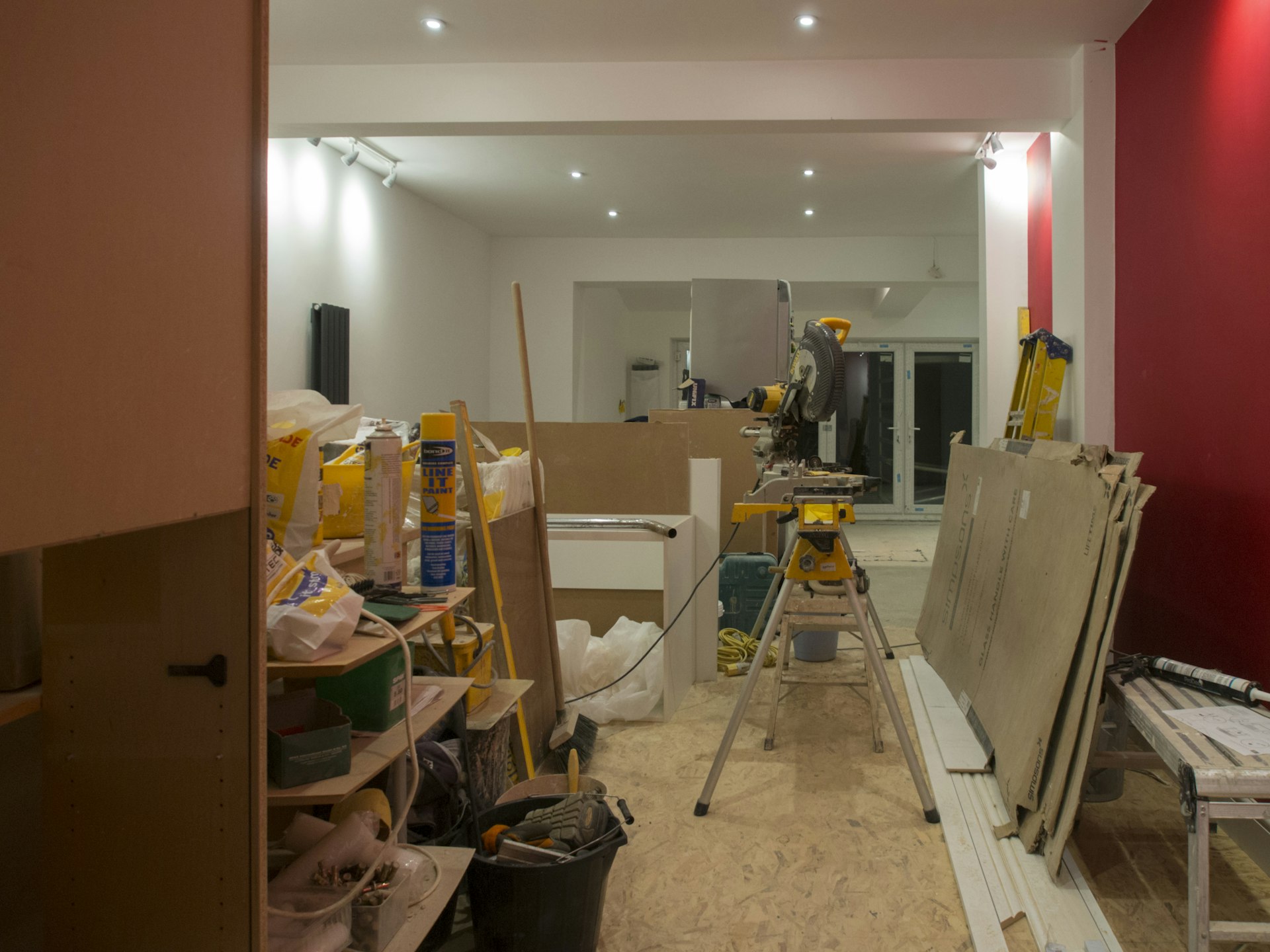
Structural drying in Glendale uses air movers and dehumidifiers, and sometimes small wall openings, to pull water out of building materials until moisture readings match dry areas of the same home, usually over three to five days.
Air movers push fast air across wet surfaces so moisture evaporates; dehumidifiers pull it from the air. Technicians take readings in marked spots each day and move equipment as areas dry. Walls may get small holes behind baseboards so air reaches the cavity. When readings match dry reference areas, equipment comes out and repairs start.
Wet and dry areas measured.
Sized to the space.
Readings logged.
Equipment removed.
Dents near the floor.
Growing odor.
Still darker than the rest.
Baseboards or cabinets.
Cool to the touch.
Water on the floor right now? Call (623) 624-9995 for a local provider.Open 24/7 · Talk to a local provider in Glendale
Call 24/7 (623) 624-9995Slabs hold water under tile and vinyl. Cabinet bases wick water. Stucco and block exterior walls dry slowly. Without proper drying, these lead to swelling, odors and mold.
Ask to see the readings each day. A simple log shows progress and supports an insurance claim.
Repairs start only after materials are dry. For growth that already started, see mold cleanup. The EPA mold guidance explains why fast drying matters.
Gray pipe burst in the wall? Talk it through on the phone.Open 24/7 · Talk to a local provider in Glendale
Call 24/7 (623) 624-9995
Each spot measured.
Equipment moved.
Slow areas discussed.
Final readings.
Warm tile and a high bill? Ask about a slab leak.Open 24/7 · Talk to a local provider in Glendale
Call 24/7 (623) 624-9995| Equipment | Job | Notes |
|---|---|---|
| Air mover | Moves air across surfaces | Loud |
| Refrigerant dehumidifier | Pulls water from air | Most rooms |
| Desiccant dehumidifier | Very dry air | Dense materials |
| Wall cavity system | Air into walls through small holes | Saves drywall |
| Factor | Why it matters | What to ask on the call |
|---|---|---|
| Area affected | Rooms and how far water spread | Which rooms are wet? |
| Water category | Clean, grey or sewage | Which category is this? |
| Materials removed | Baseboard, drywall, pad, cabinets | What can dry in place? |
| Drying days | Days of equipment | How will readings be shared? |
| Materials | Slab and wood dry slower | Which areas take longest? |
Mold can start within 24 to 48 hours. Call (623) 624-9995 to set equipment the same day.
Water on the floor right now? Call (623) 624-9995 for a local provider.Open 24/7 · Talk to a local provider in Glendale
Call 24/7 (623) 624-9995Do not cover wet floors or close wet walls. Trapped moisture is how mold starts.
Before structural drying work in Glendale, ask for the company's Arizona Registrar of Contractors license number and check it with the Arizona ROC license lookup. Plumbing and roofing repairs need ROC-licensed contractors in those trades. Ask whether the technicians hold IICRC certification, and ask for proof of liability insurance before anyone starts.
Drying is the longest part of water damage restoration in Glendale and decides whether the repair is paint or a new wall.
Gray pipe burst in the wall? Talk it through on the phone.Open 24/7 · Talk to a local provider in Glendale
Call 24/7 (623) 624-9995Water under tile can often be dried by drilling small holes in grout lines and pushing dry air underneath, so the tile stays in place.
Most families stay home. Units are loud and warm and raise the power bill, which some insurers reimburse.
Call your insurer or agent as soon as the water is stopped. Ask whether they want an adjuster to see the damage before drying starts, keep receipts for anything you buy and ask the restoration provider for daily photos and moisture readings. A clear record of when the drying after a leak happened and how the home was dried makes the claim faster and fairer.
Warm tile and a high bill? Ask about a slab leak.Open 24/7 · Talk to a local provider in Glendale
Call 24/7 (623) 624-9995Many Glendale homes and apartments are rentals. Renters should report drying after a leak to the landlord right away, in writing, with photos. The building is usually the owner's responsibility and belongings are covered by renters insurance. Owners who start drying the same day nearly always spend less on repairs and keep tenants happier.
For drying after a leak, ask how soon the provider can arrive, what they will measure, whether they will check inside walls and under flooring, how many days of drying they expect and how the price is set. Ask whether they bill your insurer directly. Clear answers on the phone usually mean clear communication during the job.
Dealing with drying after a leak right now? Call (623) 624-9995; an independent local provider answers 24 hours a day and can usually come the same day.
Water on the floor right now? Call (623) 624-9995 for a local provider.Open 24/7 · Talk to a local provider in Glendale
Call 24/7 (623) 624-9995Surfaces can feel dry while the material inside still holds water. Paint over damp drywall bubbles; flooring laid over a damp slab loosens; baseboards nailed onto a wet wall swell. Readings taken in the same spots each day show when materials are truly dry and protect you from paying twice for the same repair.
Cabinet bases are often particleboard, which swells when wet. Toe kicks can be removed and air blown underneath, and small holes drilled in hidden spots let air reach the space behind. If a base has already swollen badly, it may need replacing.
During monsoon season, outdoor humidity rises sharply. Opening windows on a humid evening can add moisture to a drying room. Keep windows closed and let dehumidifiers control the air.
Gray pipe burst in the wall? Talk it through on the phone.Open 24/7 · Talk to a local provider in Glendale
Call 24/7 (623) 624-9995Equipment sized to the room, readings in marked spots every day, adjustments as areas dry, clear explanations before anything is removed and a final log when the equipment leaves. If you are not getting those, ask.
Water often reaches closets, laundry rooms and hallways with little airflow. Doors may need to stay open and equipment may need to run inside closets. Stored items should come out so air can reach walls and floors. These small spaces often finish drying last.
Before the equipment leaves, ask for the final readings and walk the area together. Look for soft spots, swelling and smells. If something seems off in the weeks after, call back for a recheck; finding a missed wet spot early is far cheaper than finding mold later.
Warm tile and a high bill? Ask about a slab leak.Open 24/7 · Talk to a local provider in Glendale
Call 24/7 (623) 624-9995Start the same day, keep equipment running, let readings decide when it is done and only then start repairs.
Some older downtown homes have plaster walls instead of drywall. Plaster can often be dried in place, but it dries slowly and needs steady readings. Block and stucco exterior walls also hold water deep inside. Ask the provider how they will handle each material before anything is removed, and expect these areas to finish drying last.
Water from a slab leak sits in the gravel and the bottom of the slab, so readings on the floor may take longer to reach target than walls. Air pushed under tile through small grout holes helps. Patience here prevents loose tiles and flooring failures later.
Water on the floor right now? Call (623) 624-9995 for a local provider.Open 24/7 · Talk to a local provider in Glendale
Call 24/7 (623) 624-9995Structural drying is the difference between a small repair and a big one. Air movers lift moisture from wet surfaces, dehumidifiers remove it from the air and meters prove when materials are truly dry. Keep the equipment running day and night, keep windows closed during humid weather, report new smells or stains, and do not let anyone close walls or lay flooring until the readings match dry areas of the same home. A few patient days now prevent mold, swelling and failed repairs later. When the equipment leaves, ask for the final readings and keep the full drying log with your insurance papers. If a musty smell, soft drywall or lifting flooring appears in the weeks after, call the provider back for a recheck and compare new readings with the old ones. Most Glendale drying jobs finish in three to five days when equipment runs day and night and windows stay closed. Plaster, block and slab areas may take a day or two longer.
Drying works best when it starts the same day. If you live in Glendale and water is in your home right now, close the main valve, keep people away from wet outlets, take photos and call (623) 624-9995. An independent local provider answers 24 hours a day, explains what they will check and how the price is set, and can usually start drying the same day so the damage stays small.
Closed, cooled homes and monsoon humidity slow natural drying.
Usually three to five days.
Please don't; it slows drying.
Readings match dry areas.
Standing water pulled from tile, carpet and wood floors and from under baseboards, any hour.
Leaks from polybutylene, copper and old steel lines cleaned up and dried.
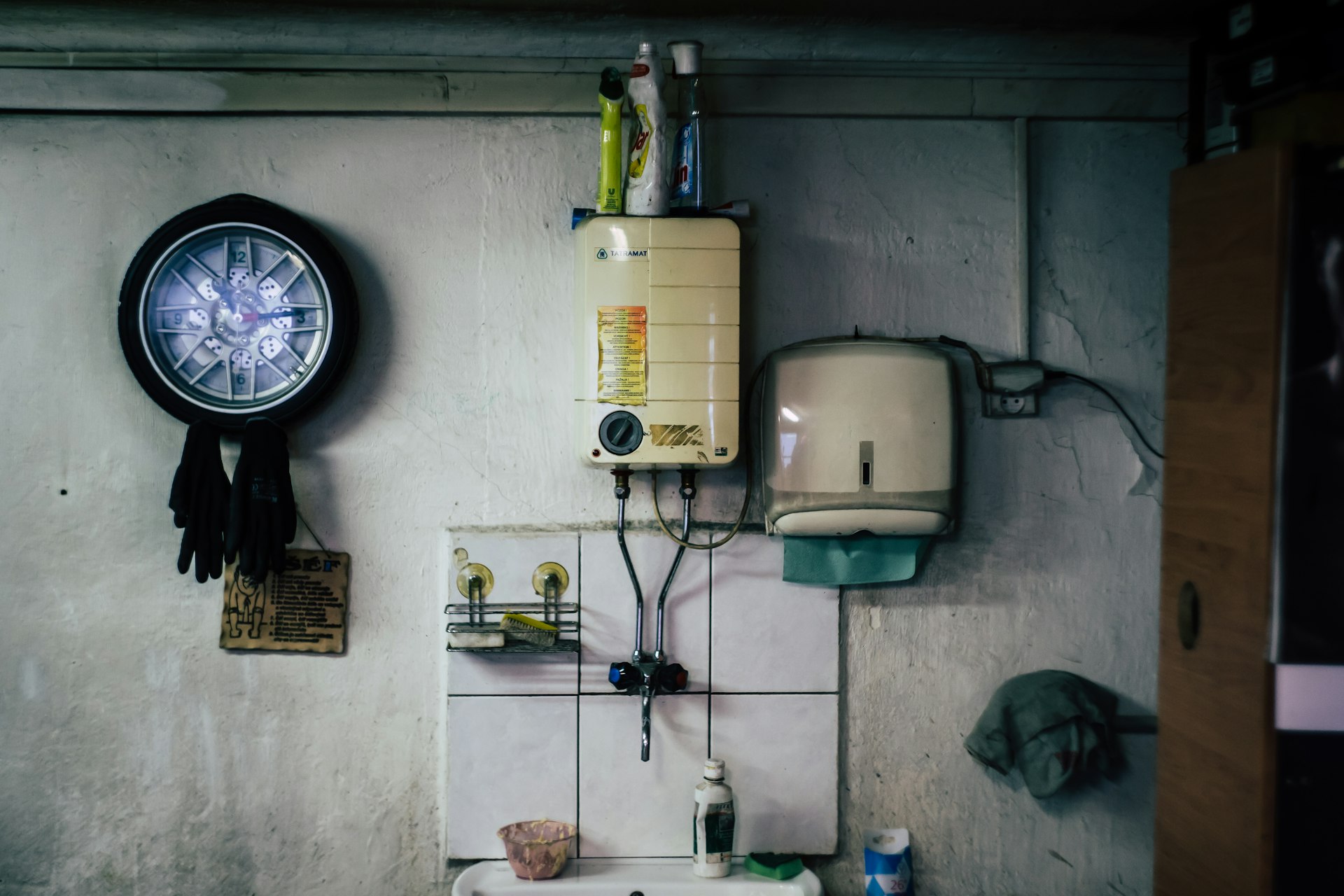
Water from a line under the slab removed from floors, walls and cabinets.
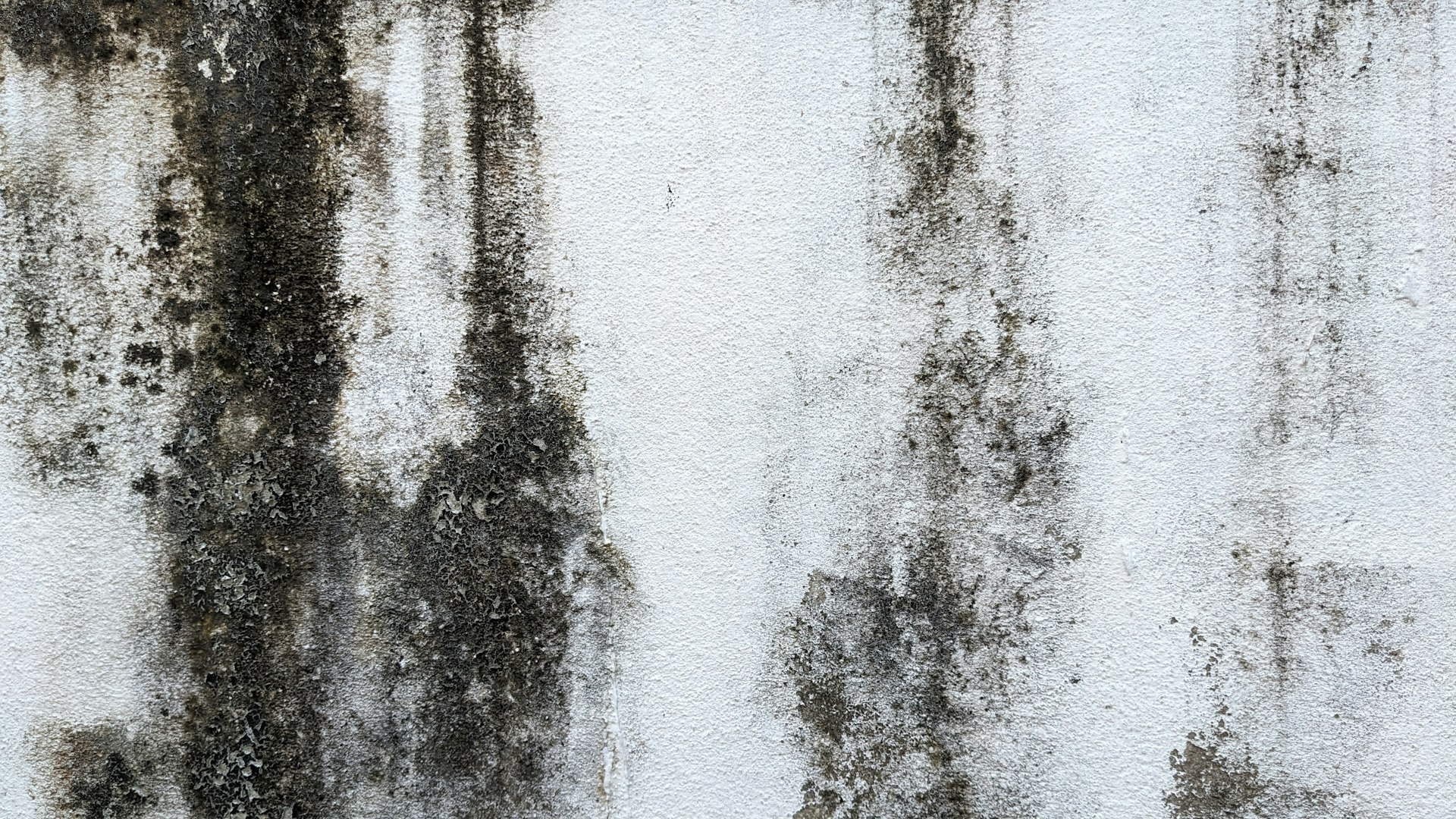
Monsoon roof leaks and upstairs leaks dried out of ceilings and walls.
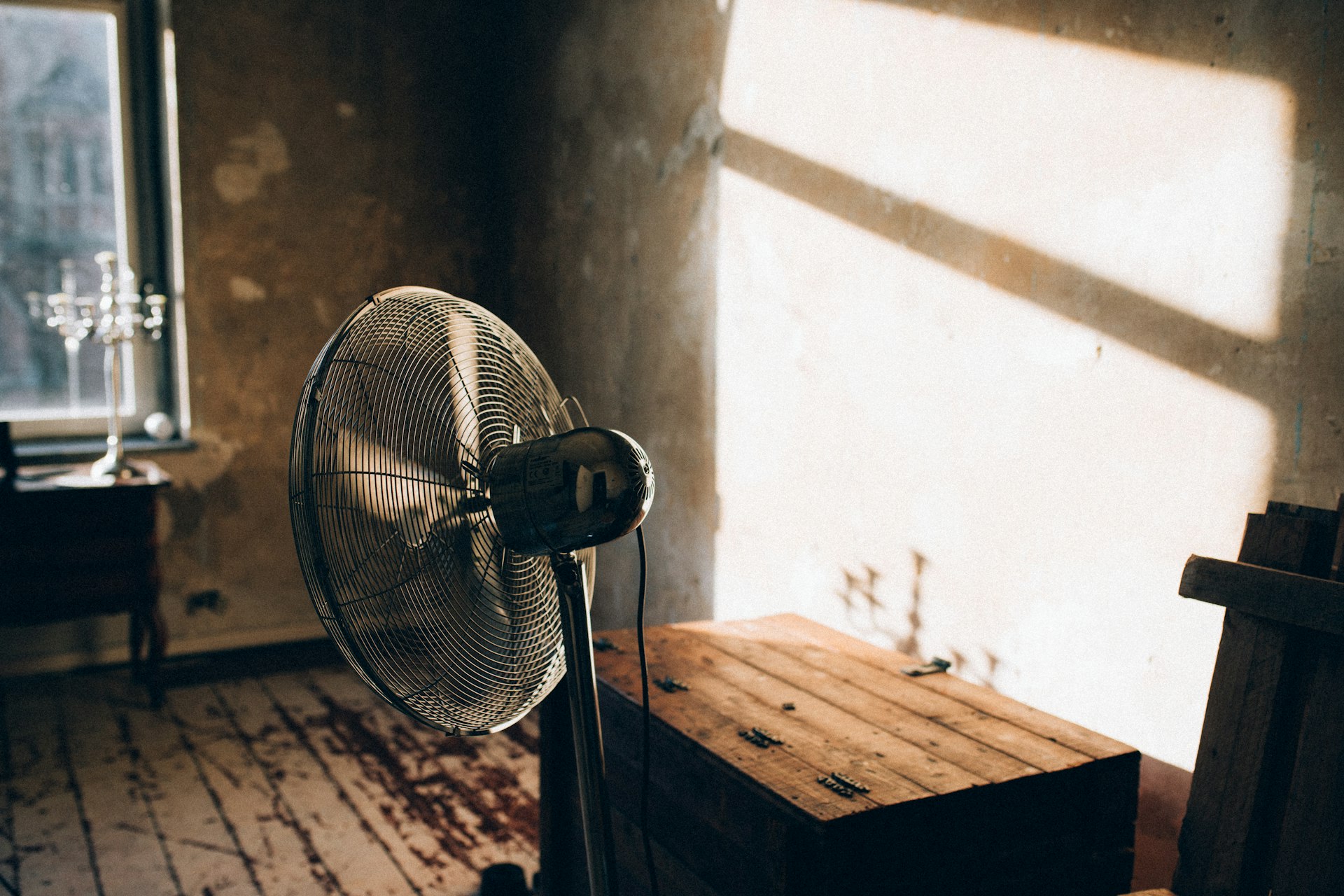
Failed tanks, burst washer hoses and AC overflows cleaned up and dried.
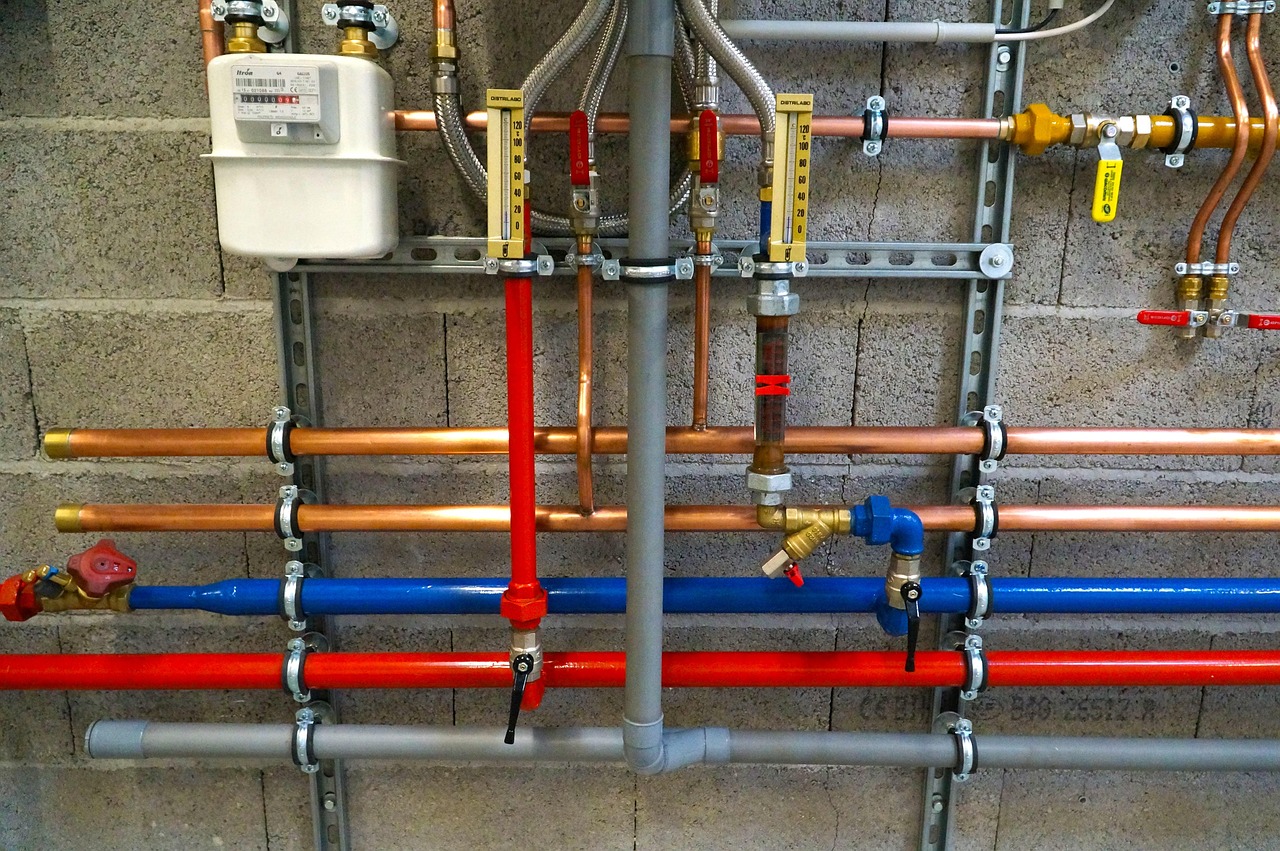
Mold after a hidden leak contained, removed and the moisture source fixed.
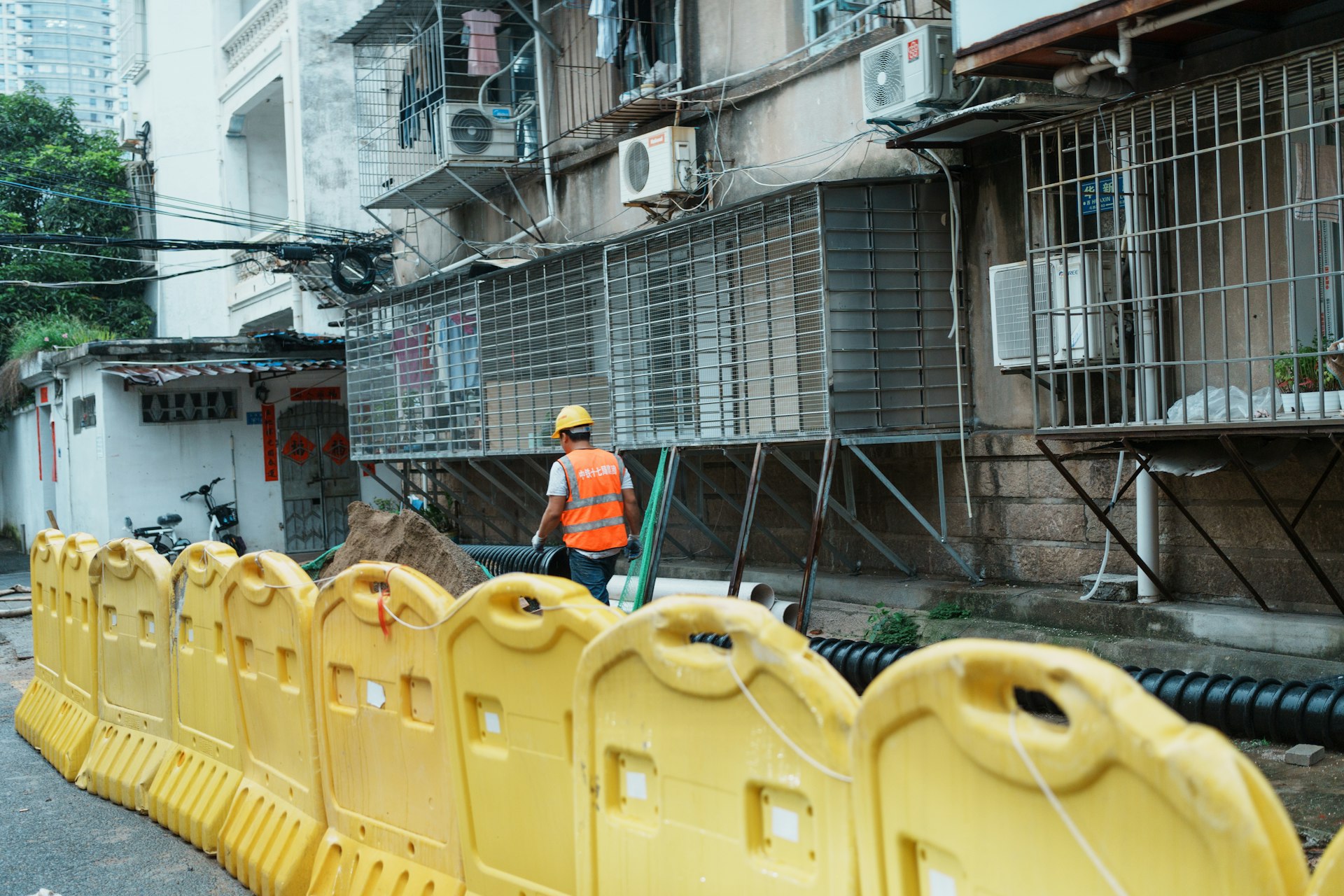
Representative photos of the kind of work local providers handle.
Talk to a local provider
One call connects you with an independent restoration company that works across Glendale. They explain the plan and how the price is set before anything starts.
(623) 624-9995