
Water Damage Cleanup
Standing water pulled from tile, carpet and wood floors and from under baseboards, any hour.
View service (623) 624-9995
A brown ring on the ceiling after a monsoon storm, or a drip from a light below an upstairs bathroom. Either way, water is soaking insulation and drywall above you.
Glendale Leak & Water Damage is a free referral service, not a restoration company. Calls are answered by independent local providers who set their own prices.
Ceiling and roof leak damage cleanup in Glendale means catching the water, checking the ceiling cavity and insulation, removing what is soaked, drying the area and having a roofer or plumber fix the source before the ceiling is closed.
Water from a roof or an upstairs fixture collects on top of ceiling drywall, soaks insulation and runs along joists before dripping. Cleanup means tracing it with meters and a thermal camera, opening a section of ceiling if water is trapped, removing soaked insulation and drywall, drying framing and the room below and keeping the ceiling open until the roof or plumbing is fixed.
Buckets and moving belongings.
Ceiling cavity checked.
Wet insulation and drywall removed.
Roofer or plumber fixes it.
Rings near walls or below baths.
Bulges or soft spots.
From a light or vent.
High on walls.
After storms.
Gray pipe burst in the wall? Talk it through on the phone.Open 24/7 · Talk to a local provider in Glendale
Call 24/7 (623) 624-9995Tile roofs on 1980s and 90s homes often still have original underlayment, which wears out in Phoenix heat. Cracked or slipped tiles, clogged valleys and flashing around vents let wind-driven monsoon rain in. In two-story homes, upstairs toilets, tubs and washer hoses leak into the ceiling below. AC drain lines in attics overflow too.
Before monsoon season, have older tile roofs checked and clear valleys and gutters. Upstairs, replace rubber washer hoses with braided steel.
The restoration company dries inside; a roofer, plumber or HVAC company fixes the source. Drying should not wait, but ceilings should not be closed until the source is fixed.
Warm tile and a high bill? Ask about a slab leak.Open 24/7 · Talk to a local provider in Glendale
Call 24/7 (623) 624-9995
Meters map the wet ceiling.
Small opening to drain.
Wet materials out.
Equipment into the cavity.
Water on the floor right now? Call (623) 624-9995 for a local provider.Open 24/7 · Talk to a local provider in Glendale
Call 24/7 (623) 624-9995| Source | Where it shows | Who fixes it |
|---|---|---|
| Roof underlayment | Stain after rain | Roofer |
| Upstairs toilet or tub | Stain below bathroom | Plumber |
| Washer hose | Stain below laundry | Plumber or handyman |
| AC drain line | Stain near air handler | HVAC company |
| Factor | Why it matters | What to ask on the call |
|---|---|---|
| Area affected | Rooms and how far water spread | Which rooms are wet? |
| Water category | Clean, grey or sewage | Which category is this? |
| Materials removed | Baseboard, drywall, pad, cabinets | What can dry in place? |
| Drying days | Days of equipment | How will readings be shared? |
| Texture matching | Knockdown or popcorn | Is texture included? |
Stop the source if you can, protect the room and call (623) 624-9995.
Gray pipe burst in the wall? Talk it through on the phone.Open 24/7 · Talk to a local provider in Glendale
Call 24/7 (623) 624-9995A ceiling holding water can fall suddenly. Keep people and pets out from under a bulge.
Before ceiling & roof leak damage work in Glendale, ask for the company's Arizona Registrar of Contractors license number and check it with the Arizona ROC license lookup. Plumbing and roofing repairs need ROC-licensed contractors in those trades. Ask whether the technicians hold IICRC certification, and ask for proof of liability insurance before anyone starts.
Ceiling leaks are a common cause of water damage restoration in Glendale, especially in monsoon season and in two-story homes.
Warm tile and a high bill? Ask about a slab leak.Open 24/7 · Talk to a local provider in Glendale
Call 24/7 (623) 624-9995Blown-in insulation holds water like a sponge. A small stain can hide a wide wet area. Wet insulation is usually removed and replaced after drying.
Some older homes have popcorn texture that may contain asbestos. Ask whether testing is needed before it is cut or scraped.
Call your insurer or agent as soon as the water is stopped. Ask whether they want an adjuster to see the damage before drying starts, keep receipts for anything you buy and ask the restoration provider for daily photos and moisture readings. A clear record of when the a ceiling leak happened and how the home was dried makes the claim faster and fairer.
Water on the floor right now? Call (623) 624-9995 for a local provider.Open 24/7 · Talk to a local provider in Glendale
Call 24/7 (623) 624-9995Many Glendale homes and apartments are rentals. Renters should report a ceiling leak to the landlord right away, in writing, with photos. The building is usually the owner's responsibility and belongings are covered by renters insurance. Owners who start drying the same day nearly always spend less on repairs and keep tenants happier.
For a ceiling leak, ask how soon the provider can arrive, what they will measure, whether they will check inside walls and under flooring, how many days of drying they expect and how the price is set. Ask whether they bill your insurer directly. Clear answers on the phone usually mean clear communication during the job.
Dealing with a ceiling leak right now? Call (623) 624-9995; an independent local provider answers 24 hours a day and can usually come the same day.
Gray pipe burst in the wall? Talk it through on the phone.Open 24/7 · Talk to a local provider in Glendale
Call 24/7 (623) 624-9995Once rain stops, walk around the house. Look for cracked or slipped tiles, debris in valleys and gutters, water standing near walls and gutters pulled loose. Inside, check every ceiling, the tops of walls and around windows and skylights. Photos with the date help the roofer, the restoration provider and your insurer understand what happened.
Ask what caused the leak, whether it is a patch or a larger repair, whether the underlayment needs replacing, how long the roof has left and what warranty comes with the work. Check the license with the Arizona ROC license lookup.
A slow leak into a closed ceiling over several storms can grow mold on the back of the drywall and framing. A musty smell after rain is a warning; see mold cleanup.
Warm tile and a high bill? Ask about a slab leak.Open 24/7 · Talk to a local provider in Glendale
Call 24/7 (623) 624-9995In two-story homes, water from upstairs bathrooms, laundry rooms and AC closets travels through the floor system and appears in the ceiling below, often several feet from the source. Drying only the visible stain leaves the subfloor and joists wet. The provider should dry the cavity between floors and the room above as well as the ceiling below.
Most Glendale ceilings have knockdown or orange-peel texture. After a section is replaced, the new drywall is textured to match and the ceiling painted. Ask whether texture matching and paint are included, and whether the whole ceiling or just the patch will be painted.
Catch the water, release it safely, dry the ceiling cavity the same day and fix the roof or plumbing before the ceiling is closed.
Water on the floor right now? Call (623) 624-9995 for a local provider.Open 24/7 · Talk to a local provider in Glendale
Call 24/7 (623) 624-9995Look at the caulk around upstairs tubs and showers a few times a year, and recaulk where it is cracked or missing. Check that grout is intact, that toilets do not rock and that supply lines under sinks are not dripping. These quick checks prevent the slow leaks that stain ceilings below over weeks.
If water appeared during or right after rain, call a roofer as well as a restoration provider. If it appeared without rain, call a plumber or HVAC company. If you are not sure, the restoration provider can trace the water and tell you which trade you need.
Ceiling leaks in Glendale come from three places: the roof in monsoon season, upstairs plumbing and appliances in two-story homes, and AC drain lines in attics. Whatever the source, catch the water, release it from a bulging ceiling safely, dry the cavity the same day and fix the source before the ceiling is closed. Waiting lets insulation and drywall stay wet long enough for mold to start. Keep photos of every stain with dates so you can tell whether a new storm made it bigger, and share them with the roofer so the repair targets the right spot. Keep a bucket and a flashlight where you can find them during a storm, too.
Gray pipe burst in the wall? Talk it through on the phone.Open 24/7 · Talk to a local provider in Glendale
Call 24/7 (623) 624-9995Wet ceilings can fall without warning. If you live in Glendale and water is in your home right now, close the main valve, keep people away from wet outlets, take photos and call (623) 624-9995. An independent local provider answers 24 hours a day, explains what they will check and how the price is set, and can usually start drying the same day so the damage stays small.
If safe, a small hole at the lowest point over a bucket releases trapped water.
Wet insulation above can be wider than the stain.
The underlayment beneath the tiles wears out with age and heat.
Sudden storm or pipe damage often is; worn roofs often are not.
Standing water pulled from tile, carpet and wood floors and from under baseboards, any hour.
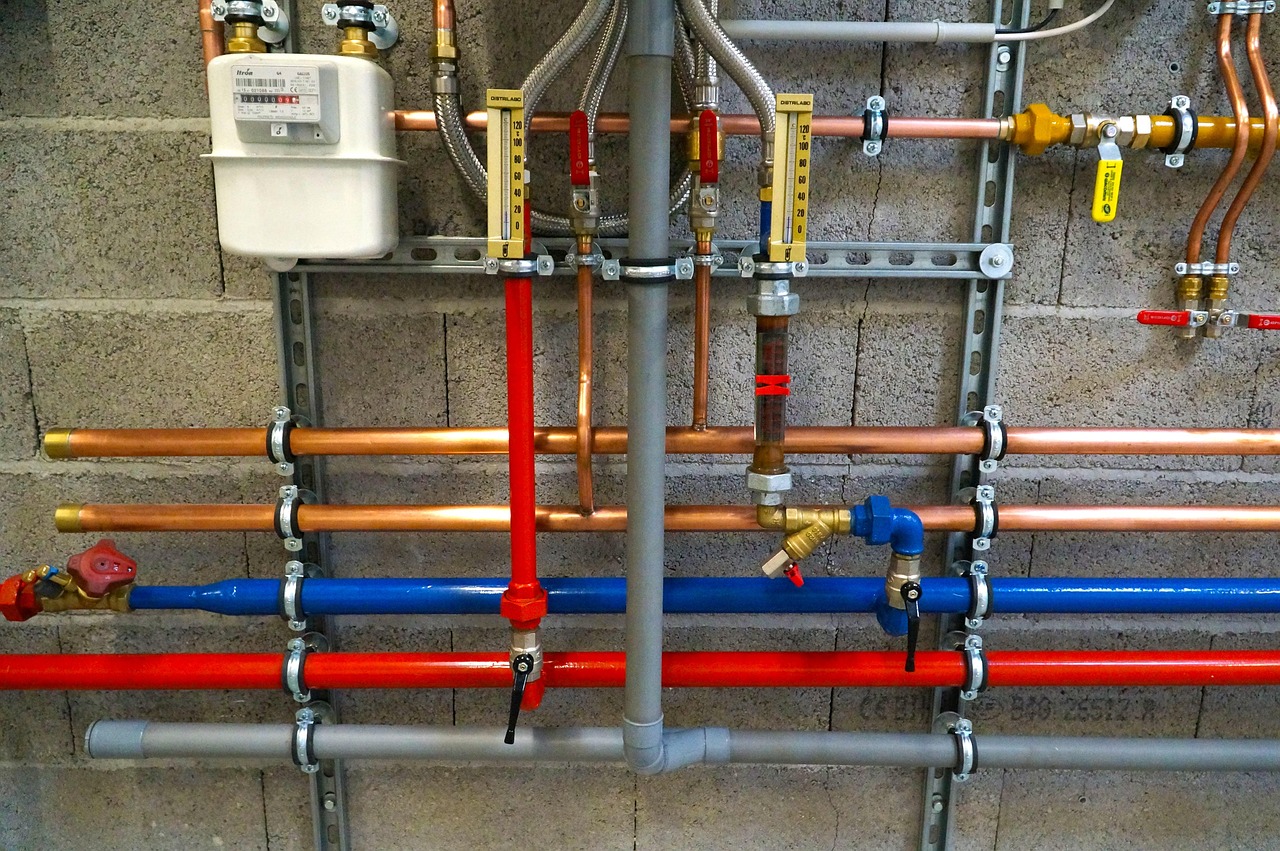
Leaks from polybutylene, copper and old steel lines cleaned up and dried.
Water from a line under the slab removed from floors, walls and cabinets.
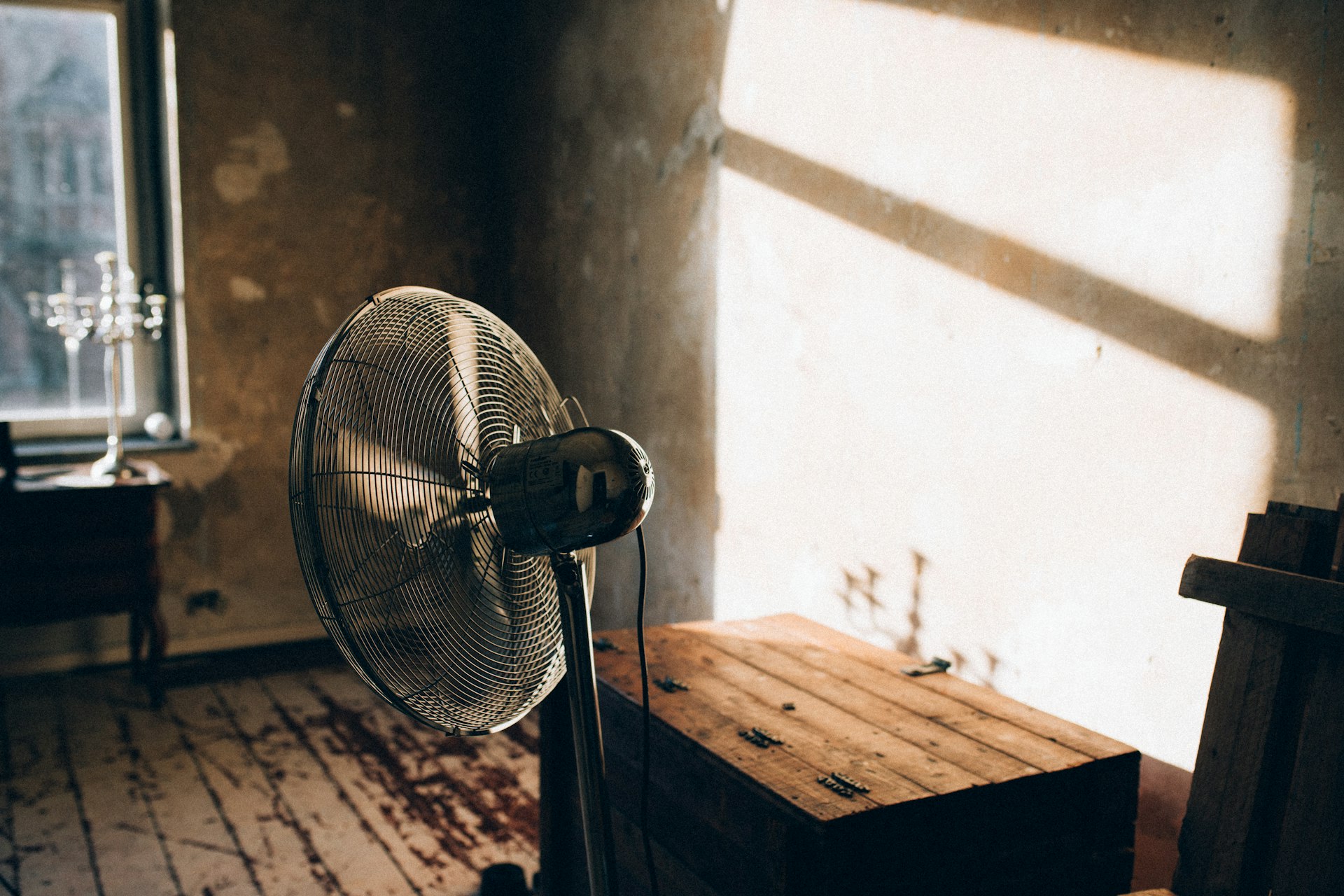
Failed tanks, burst washer hoses and AC overflows cleaned up and dried.
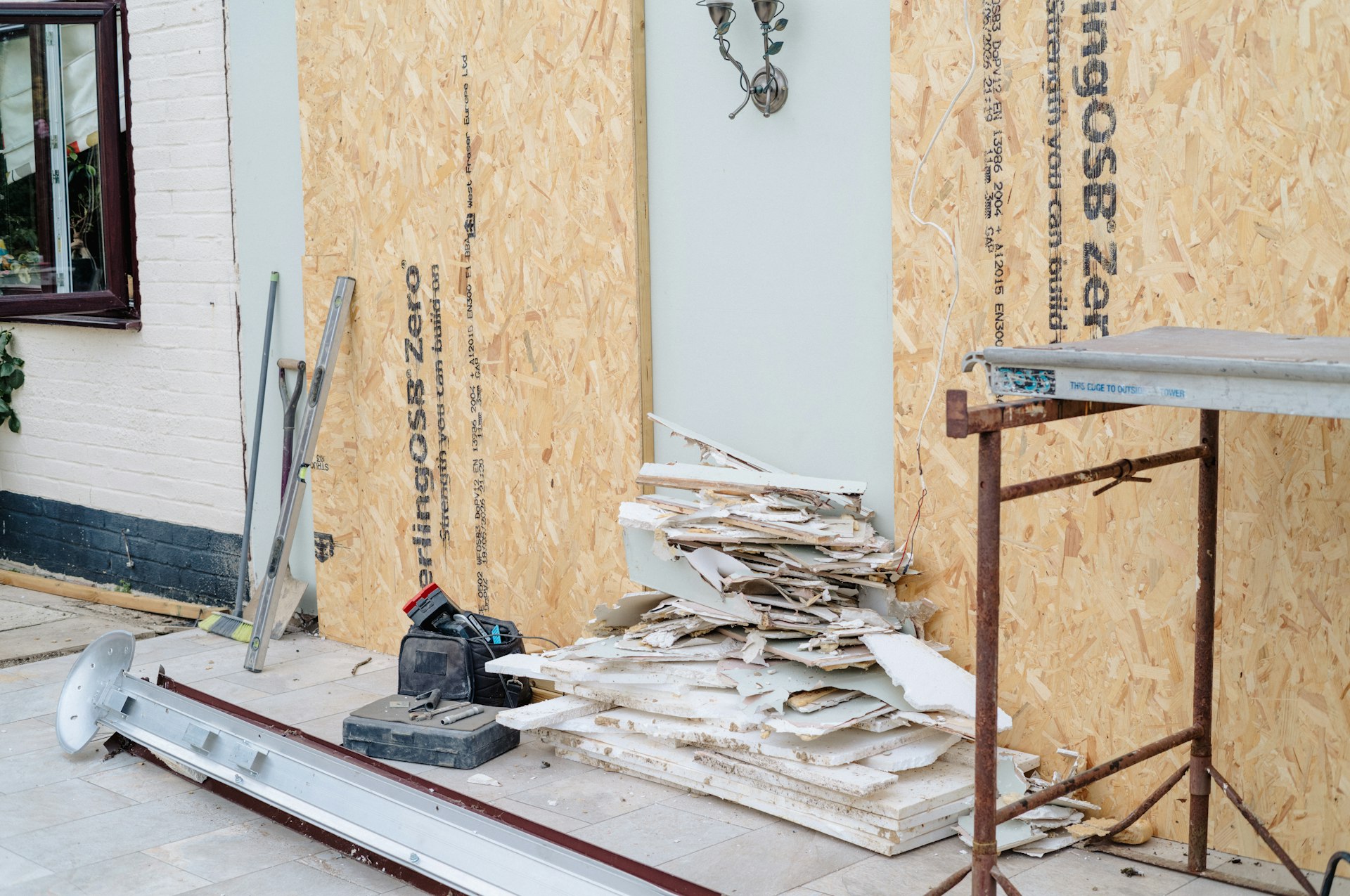
Air movers and dehumidifiers dry walls, cabinets and slab with daily readings.
Mold after a hidden leak contained, removed and the moisture source fixed.

Representative photos of the kind of work local providers handle.
Talk to a local provider
One call connects you with an independent restoration company that works across Glendale. They explain the plan and how the price is set before anything starts.
(623) 624-9995