Pipes · November 6, 2026
Polybutylene Pipe in Glendale Homes
How to spot it, why it fails and your options.
Read the guide
Published November 6, 2026 · Glendale Leak & Water Damage
After a leak, the house fills with loud fans and boxy dehumidifiers for several days. Here is what each piece does and why turning them off early backfires.
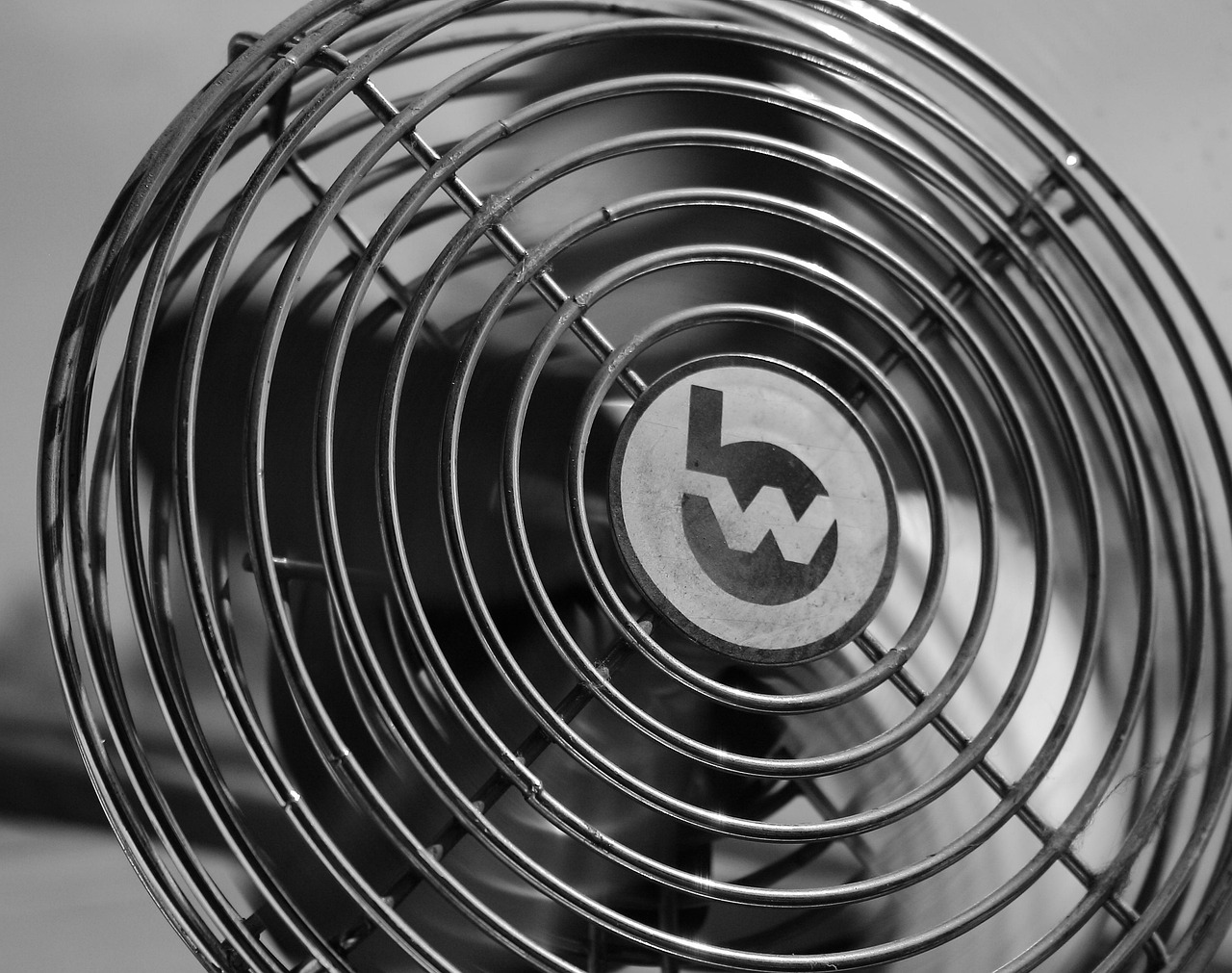
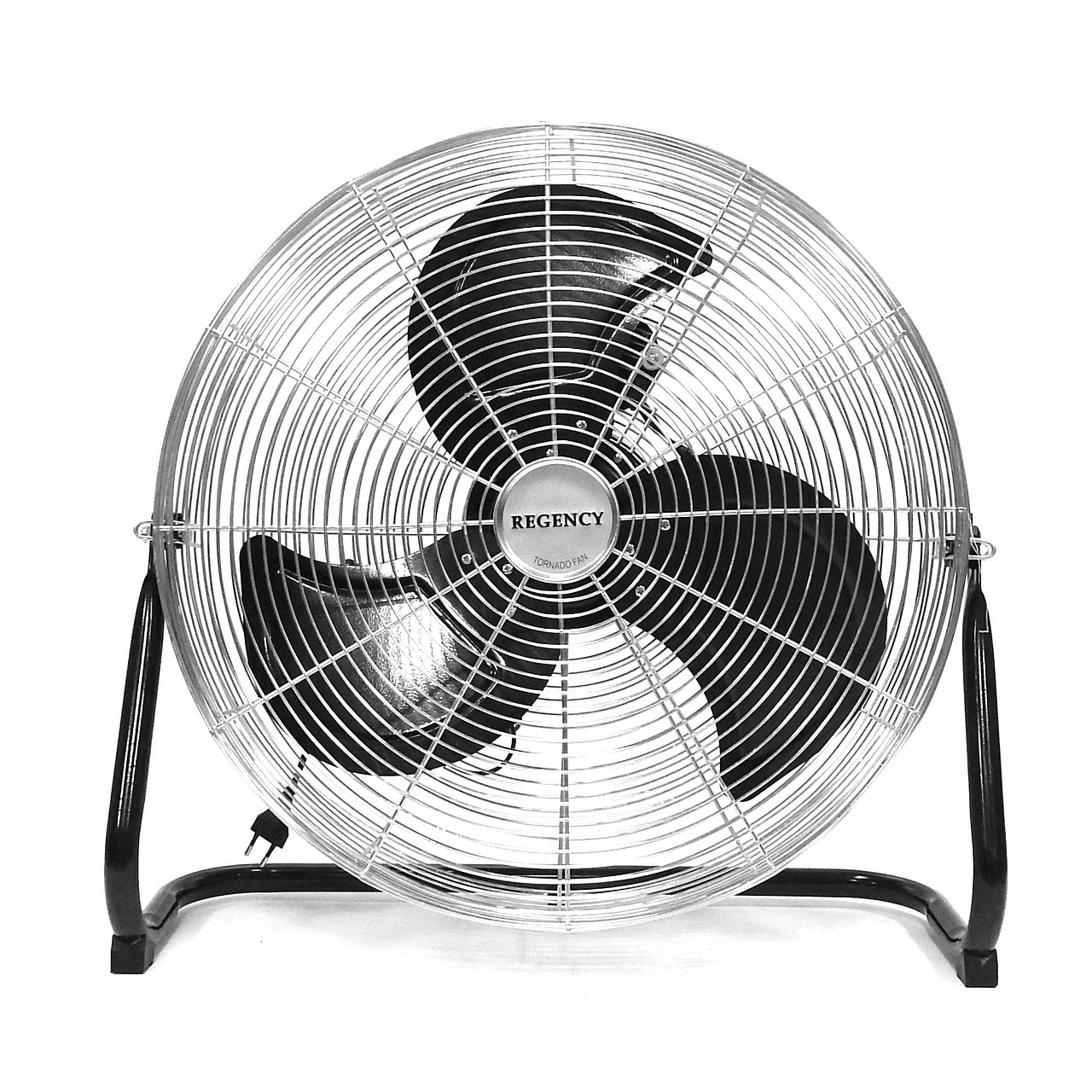
These low, loud fans blow fast air across wet floors and walls. Fast air speeds evaporation from the surface of materials.
As water evaporates, the air gets humid. Dehumidifiers pull that moisture out so it does not soak back into materials. Without them, fans just move damp air around.
Warm tile and a high bill? Ask about a slab leak.Open 24/7 · Talk to a local provider in Glendale
Call 24/7 (623) 624-9995Meters measure how wet drywall, wood and other materials are. Technicians mark spots and measure them daily.
Thermal cameras show cooler, wet areas behind walls and under floors, helping find water that is not visible.
Water on the floor right now? Call (623) 624-9995 for a local provider.Open 24/7 · Talk to a local provider in Glendale
Call 24/7 (623) 624-9995Small holes behind baseboards or in grout lines let air reach inside walls or under tile, so materials can dry in place.
Water soaks deep into drywall, wood, cabinets and the slab. It comes out slowly. Most homes take three to five days.
Homes are closed and cooled, and monsoon humidity can be high. Dehumidifiers control the air better.
Gray pipe burst in the wall? Talk it through on the phone.Open 24/7 · Talk to a local provider in Glendale
Call 24/7 (623) 624-9995Turning equipment off at night slows drying and can let mold start.
Units are loud and warm and raise the power bill, which some insurers reimburse.
Drying is done when readings match dry areas of the same home. Ask to see the final log; see structural drying.
Warm tile and a high bill? Ask about a slab leak.Open 24/7 · Talk to a local provider in Glendale
Call 24/7 (623) 624-9995Technicians size equipment to the room and how wet it is. A typical wet room might get several air movers spaced along the walls and one dehumidifier. Larger areas or very wet materials need more. Too little equipment drags drying out; too much wastes power. Readings guide adjustments each day.
Refrigerant dehumidifiers cool air to condense moisture and work well in most rooms. Desiccant dehumidifiers use a drying material and produce very dry air, which helps with dense materials like hardwood or when conditions are cool. The provider chooses based on what got wet.
Small holes behind baseboards or near the bottom of drywall let dry air into the wall cavity, so drywall can often stay. The holes are hidden by baseboards when they go back on.
Water on the floor right now? Call (623) 624-9995 for a local provider.Open 24/7 · Talk to a local provider in Glendale
Call 24/7 (623) 624-9995Carpet can be floated with air underneath after the pad is removed. Tile can be dried by pushing air through small grout holes. Wood floors may get special mats that pull moisture up through the boards.
Keep children and pets away from cords and fans. Do not unplug units to plug in other appliances; ask the provider if you need an outlet. Keep doors open as directed so air flows.
Water just got in? Call (623) 624-9995 to get equipment set up the same day.
Gray pipe burst in the wall? Talk it through on the phone.Open 24/7 · Talk to a local provider in Glendale
Call 24/7 (623) 624-9995Myth: the Arizona air will dry everything quickly. Reality: closed, cooled homes and wet materials need dehumidifiers. Myth: if it feels dry, it is dry. Reality: materials can hold water inside that only a meter shows. Myth: equipment can be turned off at night. Reality: that slows drying and invites mold.
Insurers pay for drying because it prevents larger repairs and mold. Daily readings show why equipment ran as long as it did.
Let the readings decide when drying is done.
Warm tile and a high bill? Ask about a slab leak.Open 24/7 · Talk to a local provider in Glendale
Call 24/7 (623) 624-9995Ask how many units they are setting and why, which spots they are measuring, what the target readings are and how many days they expect. Ask to see the readings each day and the final log at the end.
When readings meet the target, equipment is removed and repairs start: baseboards, drywall patches, paint and flooring. See structural drying.
Drying equipment is loud and inconvenient for a few days, but it is what keeps a leak from becoming a remodel. Keep it running, keep windows closed and let the readings tell you when the job is done.
Water on the floor right now? Call (623) 624-9995 for a local provider.Open 24/7 · Talk to a local provider in Glendale
Call 24/7 (623) 624-9995If you have questions about the equipment in your home, ask the provider. They should explain what each unit does, where it is placed, what readings they are tracking and when they expect to be done. Clear answers mean a well-run job. Ask for the final log when the job ends and keep it with your insurance records for future reference. Then plan repairs once the numbers say dry.
What drying equipment does. If you live in Glendale and water is in your home right now, close the main valve, keep people away from wet outlets, take photos and call (623) 624-9995. An independent local provider answers 24 hours a day, explains what they will check and how the price is set, and can usually start drying the same day so the damage stays small.
Air movers lift moisture, dehumidifiers remove it and meters prove it is gone. Let them run until the numbers say done.
Questions about what drying equipment does and why it runs for days? Call (623) 624-9995 to reach a local Glendale provider, 24 hours a day.
Gray pipe burst in the wall? Talk it through on the phone.Open 24/7 · Talk to a local provider in Glendale
Call 24/7 (623) 624-9995Pipes · November 6, 2026
How to spot it, why it fails and your options.
Slab leaks · November 6, 2026
Early clues, the meter test and next steps.
Upstairs leaks · November 6, 2026
Where leaks start and how to protect ceilings.
They help a little but do not replace dehumidifiers.
Yes; ask your insurer about reimbursement.
Talk to a local provider
One call connects you with an independent restoration company that works across Glendale. They explain the plan and how the price is set before anything starts.
(623) 624-9995